WHAT TIME DID YOU SAY YOU WOULD BE BACK??

customer service mostpeopledont Aug 20, 2026

Written By Bart Berkey | Founder of Most People Don't


TWO SECONDS CHANGED THE ENTIRE EXPERIENCE,

They nailed everything except the ending.

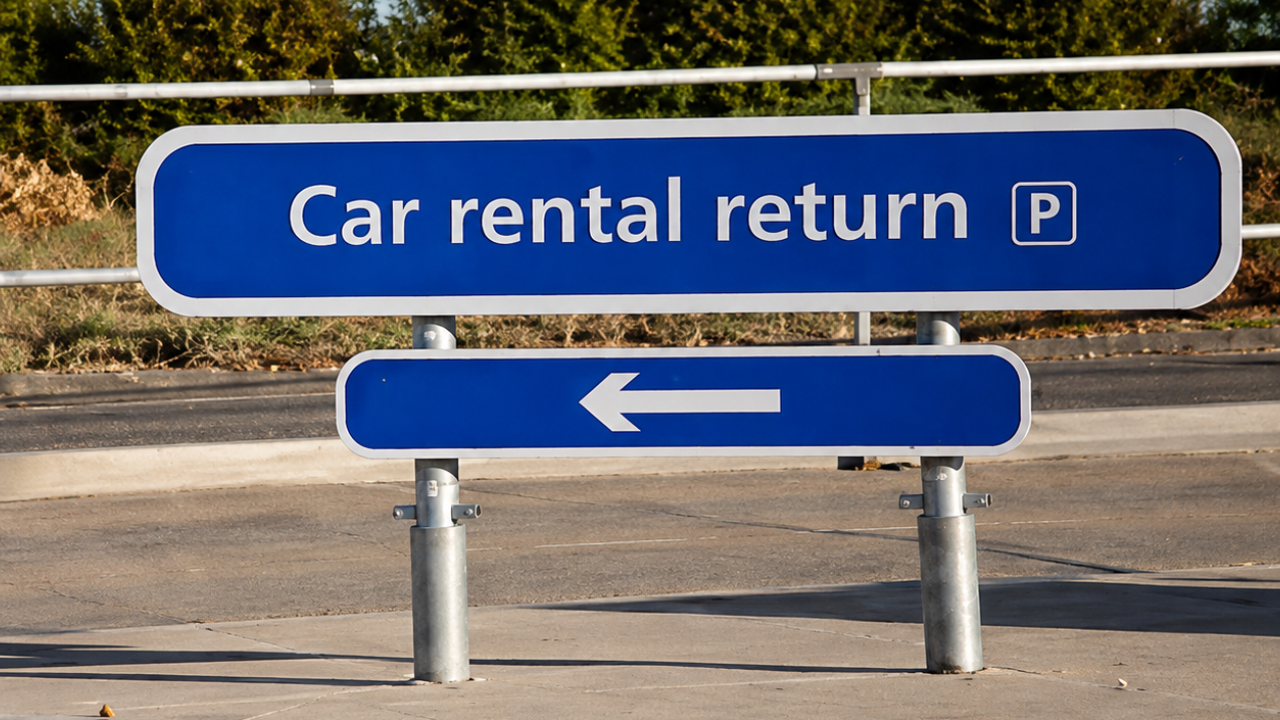
It was 7:30 at night, the end of four days, three hotels, and two rental cars. I pulled into the return lot, tired, ready to be done.

The employee walked up with a scanner and asked me a question I didn't expect...

"What time did you tell us this car would be back??"

I honestly had no idea.

Somewhere in the blur of that week, I'd written a time on the online reservation form.

He stared at me, and waited for me to answer.

I said, "I don't recall."

Then he held up six fingers.

I was shocked.

"You said 6 pm," he said. "And what time is it now??"

Then he held up 7 fingers and said...

"7:30!" 


WHEN GREAT SERVICE ENDS WITH A LECTURE

So there I stood in a parking lot, 59 years old, feeling reprimanded like a kid, who missed curfew.
The car had been great. Brand new, only 4 miles on it. Clean, fun to drive. Two great days in it.
None of that is what stands out when I think about the car, all I can see now is him holding up six fingers.
And then came the finishing touch: "Would you mind completing a brief survey about your experience with us?"
Really?
 

THE CUSTOMER REMEMBERS THE MOMENT YOU DON'T

Something similar happened again on that same trip.
I stopped at a front desk during my stay, to mention that a few lights in my hotel room weren't working at all.
As I approached the desk, the person behind the desk looked up from their mobile phone and greeted me with, "What's up?"
Not "Good Morning." Not "How Is Your Stay?"
Just, "What's Up?"
So I smiled and said, "Good morning. What's up with you?"
Beautiful room.
Gorgeous view.
Do you know what I'll tell people about that hotel? Exactly what I'm sharing with you, the "What's Up?."
 

THE $1 GOODBYE THAT BEAT THE ENTIRE EXPERIENCE

Finally a pleasant surprise at a different hotel that same week, someone at check-out handed me something that probably cost them less than a dollar.
 
This is the moment from the entire trip I've told Most People about.
Here's what I've come to believe after a week of good-and-bad personal hospitality experiences. 
Most Companies spend a fortune on the "Welcome" and leave the "Goodbye" entirely to chance, which is backwards and there's actual science explaining why.
Here's what happened.
I was at the front desk reviewing my bill, when one of the most hospitable two minutes in my journey occurred.
The woman, helping me check out, slid a postcard across the counter, already stamped.
"While I finish this up," she said, "is there someone you know who would love to receive a note in the mail from you?"
I said "Yes, thank you!", and I wrote a note to someone who I'm certain doesn't get much mail anymore.
I left that hotel feeling great!
Their postcard (gift), inspired me to take action. I sent a note to someone I care about, who I wasn't planning to write to that day.
And I know, they will be very happy to receive it.
The stamp cost 65 cents. The postcard, maybe a dime. Under a dollar for a memorable moment during my four day trip.
 

THE PEAK-END RULE: THE PSYCHOLOGY BEHIND CUSTOMER EXPERIENCE AND MEMORY

Why does the ending carry so much weight?

Psychologists Daniel Kahneman and Barbara Fredrickson found something strange about human memory.

We don't average our experiences.

We don't add up every minute and divide.

Instead, we remember two moments: the emotional peak, and the end.

Then we let those two moments stand in for the whole thing.

It's called the Peak-End Rule.

In their research, people who endured a longer, objectively worse experience will remember it as better, simply because the final moments were pleasant.

For example, if you planned an event for a large group of people, and ordered coffee to be delivered by 8 AM, but for some reason, the coffee was delivered late. If the venue waived the coffee fee after the incident, you know that what happened didn't meet your expectations of the venue's service, but you labeled your experience "better" because of the satisfying corrective action received at the end. (Corrective actions that help could be a discount, an upgrade, a gift, a handwritten apology, anything deemed appropriate for the incident.)

More discomfort, but better memory of the experience.

The ending re-wrote the story better.


YOUR CUSTOMER EXPERIENCE CAN BE UNDONE IN TWO SECONDS

Now, look at my rental car customer journey experience.
The peak was excellent. Two days in a great car.
But, the end? Felt like a lecture in a parking lot.
Two moments got stored. One of them was good, and the ending overwrote it.
That company spent a lot of money on their fleet: new vehicles, clean interiors, and a brand campaign somewhere convincing me to choose them.
All of it, undone in two seconds by an employee who thought his job was accuracy instead of hospitality.
The same message could have been delivered in a much better way.
 

THE MOST OVERLOOKED PART OF THE CUSTOMER JOURNEY

The "Goodbye" is always the least expensive part of the customer journey.
The "Welcome" takes staffing, signage, design, training, technology.
The "Goodbye" simply takes a sentence.
A Tone.
A Postcard. 
A Handwritten Note.
The least expensive moment is often the most remembered one.
And the "Goodbye" is something Most People Don't assign to anyone. 


THE GOODBYE COSTS LESS THAN THE WELCOME

Three things to do this week:

1. Map your last sixty seconds. Write down exactly what a customer hears, sees, and feels in the final minute with you. Not what you hope they experience, but what actually happens. Most leaders have never once looked at it. If you can't describe it, no one is designing it. It's not intentional.
2. Never end on a correction. If something has to be handled, a late fee, a policy, a charge, handle it flatly and let the warmth be the last thing rather than the rule. That employee could have said, "Looks like we're past your return time, so there'll be a small charge on this. Hope the trip was a good one." Same fee. Completely different memory. And never follow a reprimand with a survey request.
3. Give the goodbye an owner and a signature move. Someone owns the welcome at your company. Name the person who owns the ending. Then give them one repeatable gesture that costs under a dollar: the stamped postcard, walking someone to the door instead of pointing at it, a handwritten line on the folio, using their name one last time. Inexpensive, repeatable, unforgettable.
Think about the last great experience you had as a customer.
Now think, how did it end?
I'd bet you the ending is the part you can still see clearly.
So here's the question for your own business, your own team, and your own family. 
What will Most People remember when they walk away from you or someone from your team?
How people remember you and their experience will determine your likelihood for referrals and customer retention. 
Most People Don't think about the goodbye and how they want to be remembered.
But YOU do.
- Bart


 _______

If your team knows what to do, but isn’t consistently doing it, let’s fix that.

๐Ÿ“ฉ Email: [email protected]

๐Ÿ“ž Direct: 301-312-1600

๐ŸŒ Website: mostpeopledont.com

๐Ÿ—“๏ธ Availability: Schedule a call with Bart


For More Inspiration:

Listen to my podcast Most People Don't...but YOU Do!

For more than 5 years, I have been chasing one question: What do successful people do differently?
I sit down with CEOs, founders, hospitality leaders, entrepreneurs, association executives, and everyday standouts, and ask questions to uncover their motivations, drives, and habits, then conclude the conversation by asking each of them to finish the same sentence: "Most people don't __. ”

I'm discovering what works, and handing it to you. Every episode ends with something you can actually “do” too.

If you're someone who wants to be better, do better, and get better, you're in the right place.

Find all my podcasts on AppleSpotifyYouTube, and at mostpeopledont.com.

Don't miss out on the chance to be inspired and empowered!