
What If You Knew You Would Lose Every Night to the Harlem Globetrotters?
Mar 13, 2026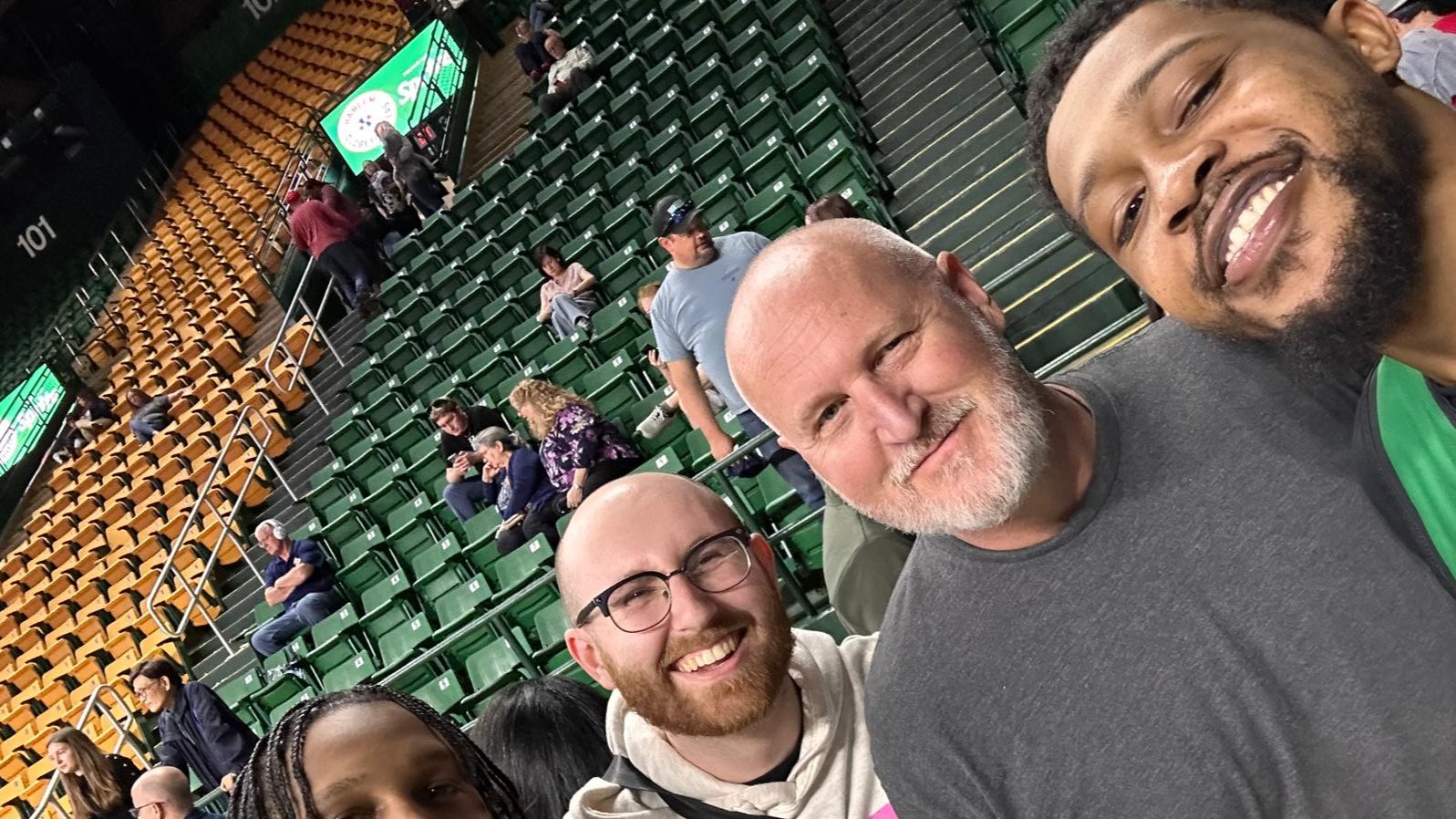
Last weekend my son and I went to watch the Harlem Globetrotters perform during their 100th anniversary tour.
Watching them play brought back memories of when my grandfather used to take me to see them when I was a kid. Like many young boys who loved basketball, I dreamed of becoming an NBA player someday. Sitting there with my son felt like one of those rare full-circle moments.
The game itself was wildly entertaining, exactly like I remembered.
Their opponent, as always, was the Washington Generals, the team famous for playing the Globetrotters and almost always losing as part of the show.
When the game ended, the Globetrotters staff put a rope around the entire court and announced something they call “The Fifth Quarter.”
Fans were invited down to the court to meet the players, take photos, and get autographs. Kids rushed down excitedly with basketballs, jerseys, and programs in hand.
But as my son and I stood there watching, I noticed something.
Just outside the rope, a few Washington Generals players were standing quietly. They were available to sign autographs too, but almost no one was approaching them.
I felt bad.
So my son and I walked over.
I congratulated them and told them how impressive their athleticism was. We took a photo together and I started asking a few questions.
What do they do when they aren’t traveling with the Globetrotters?
They told me they’re on four-month contracts. When they’re not touring, they go back to their other roles. Many of them are teachers, coaches, or athletic trainers. Always connected to the game they love.
Then I asked something I had been wondering.
“How does it feel going into every game knowing you’re probably going to lose?”
They smiled.
They explained that it’s part of the tradition and part of the entertainment. They respect the history and culture of the Globetrotters, and their role is to help create an unforgettable experience for the fans.
To them, it isn’t about winning or losing.
It’s about putting on a show and making people smile.
And that got me thinking.
In business and in life, we often compete so hard that we forget what we’re actually competing for.
We chase the win.
We chase the recognition.
We chase being better than someone else.
But what if the real purpose isn’t beating the other team?
What if the real purpose is simply loving the game?
The game of improving.
The game of helping others.
The game of showing up and doing your best.
Those players reminded me that sometimes success isn’t measured by the scoreboard.
Sometimes success is measured by the experience you help create for others.
Most people don’t think about competition that way.
But you do.
