
You Said You'd Do It (Most people don't keep promises to themselves)
Apr 17, 2026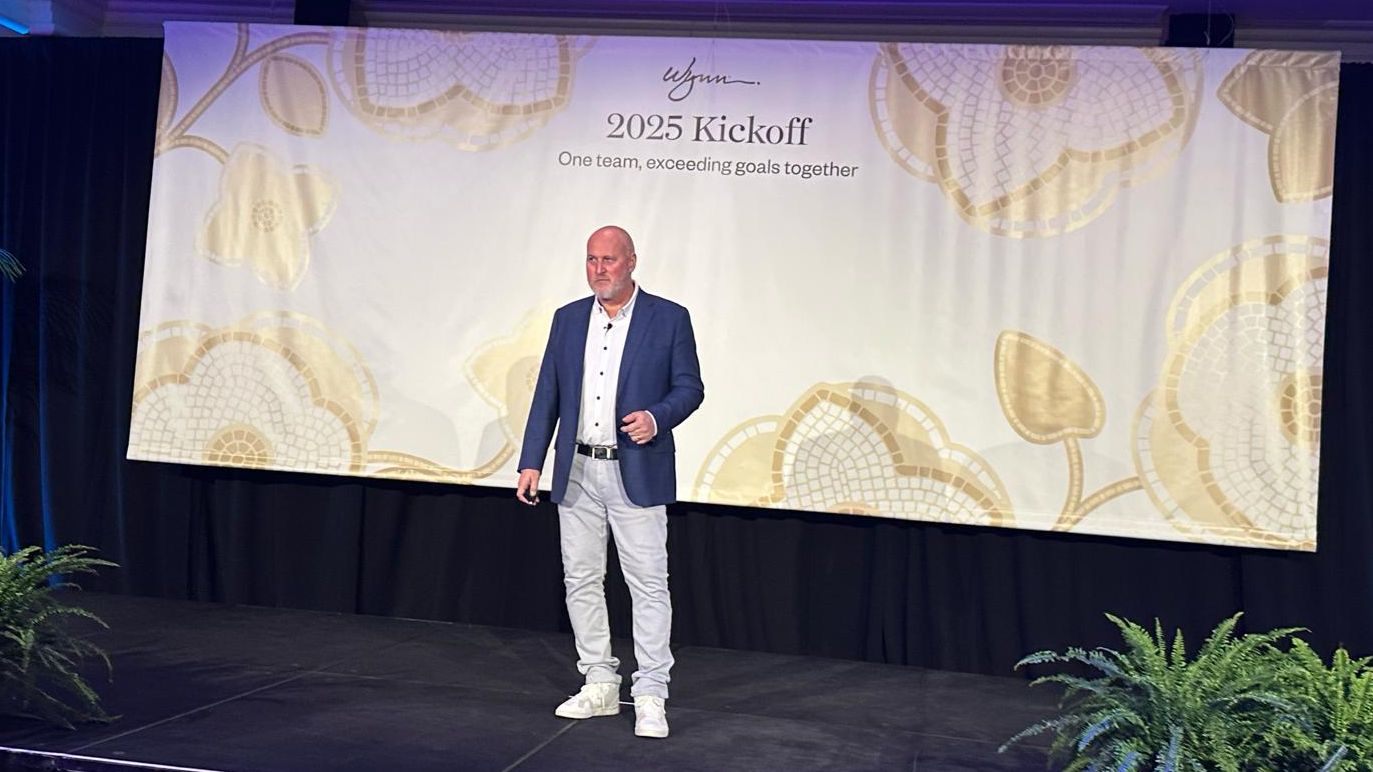
I asked Dr. Grant Elliott, founder of RehabFix and the number one social media platform for lower back pain relief globally, what he does that most people don't do.
He didn't hesitate.
For over ten years, every single day, he has weighed every meal he eats. Not occasionally. Not when he feels like it. Every one.
I told him most people don't do that. He smiled and said that's actually not the real answer.
The real answer is simpler. And harder.
Most people don't do what they say they're going to do.
That's it. That's the thing most people don't do.
Grant is the number one social media channel in the world for lower back pain. Millions of followers. Millions of conversations. And after all of those conversations, across all of those years, he keeps seeing the same pattern.
People who are in pain. People who know what they should do. People who still don't do it.
Not because they can't. Because somewhere between knowing and doing, something breaks down.
He said it plainly: "A lot of people say stuff. How many of those people actually do the thing they said they were going to do?"
Here's something worth knowing. Research shows that when you say out loud that you're going to do something, your brain actually rewards you for it. You get a hit of dopamine just from saying the words. Which means the urgency to actually do the thing goes down, because your brain already felt a little good about it.
You got the feeling without doing the work.
The goal isn't the announcement. The goal is the feeling you get when you actually do it. That one is real. And it lasts.
Think about your own life for a second.
How many times have you said I should stretch more. I should sleep better. I should block time to work on my own growth. I should reach out to that person. I should take better care of myself.
And then didn't.
Not because you forgot. Because in the moment, it was easier not to.
In my keynote presentations, one of the topics I come back to again and again is what I call Moving Your Should Do's to Done. It sounds simple. It is simple. But simple is not the same as easy. The process comes down to three things - prioritization, focus, and self-accountability. And the most important of those three is self-accountability. Nobody is coming to check on you. Nobody is going to make you do it. It has to be a choice you make for yourself.
There is a saying I love: if the why is important enough, the how becomes easy.
That is the whole thing right there.
When you understand deeply why something matters - not the surface reason, but the real reason - taking action stops feeling hard. It starts feeling necessary.
Grant told me the number one reason people don't reach out for help, even when they are in serious pain, is not cost. It is not access. It is belief. They don't actually believe they can get better. So they stay stuck. Choosing familiar discomfort over the uncertain possibility of relief.
And when you flip that around, the question becomes simple.
Why remain in back pain when you can do something about it? Why remain unfit when you can improve? Why stay stuck when you can grow? Why remain miserable when you can choose to become happy?
Those aren't rhetorical questions. They are a framework. Benefits of doing versus consequences of not doing. When you lay those two things side by side and look at them honestly, the choice usually becomes obvious.
We choose. That is the part most people avoid sitting with.
It is not happening to you. You are choosing it. And you can choose differently.
Grant said the people who do take action share three things. They are coachable. They believe change is possible. And they have decided their health - or their growth - is actually worth something to them.
That last one is the one worth sitting with today.
Is it worth something to you?
Most people won't make that decision today.
But you're not most people.
------------------------------------------------------------------------------------------------------------------------------------------------
Dr. Grant Elliott is the founder of RehabFix and the number one social media channel for lower back pain relief. If you or someone you know is struggling with back pain, go to Instagram at @RehabFix and send the word podcast*. Grant's team will send you a free, in-depth private training that walks you through their full one-hour assessment - not available anywhere else.
If your team knows what to do but isn’t doing it, that’s not a knowledge problem, it’s an execution gap.
That’s exactly what I help leaders and organizations solve.
If this resonated, let’s talk.
And if someone else came to mind, a leader, a team, a conference, please make the introduction. I’ll take it from there.
Bart
